A few years ago, a client of mine, a small bakery owner, was doing everything right except marketing. Her cakes were genuinely beautiful, her pricing was fair, and every single customer who found her became a repeat buyer.
Her problem was simple and brutal: nobody could find her. She was relying entirely on word of mouth, and her growth had completely plateaued.
Six months after we set up a proper digital presence for her Instagram, a Google Business profile, and some basic content strategy, her order volume had doubled. Same product. Same prices. Same location. Completely different results.
That story isn’t special. I’ve watched it play out with clothing brands, tutoring services, local restaurants, home-based businesses, and service providers of every kind. The product was never the problem. The visibility was.
Your Customers Are Already Online. The Question Is Whether You Are
This isn’t about being trendy. It’s about being where decisions get made.
When someone needs a cake for a wedding, they search on Google or scroll through Instagram. When someone is looking for a plumber, they check Google Maps reviews.
When a parent wants a tutor for their child, they ask in a Facebook group or search locally online. When someone wants to try a new restaurant, they check photos on social media before they ever walk through the door.
The decision-making process for almost every purchase now involves some form of online research, even for completely local, offline businesses.
If your business doesn’t exist in those spaces, you’re invisible during the exact moment someone is actively looking for what you offer.
I’ve worked with small business owners who believed their business was “the type that doesn’t need social media.” A hardware store. A small legal firm.
A home cleaning service. In every single case, their competitors who had invested in even basic digital presence were capturing customers who would have been a perfect fit for them.
There is no business category exempt from this. The question is never whether your customers are online. They are. The question is whether they can find you when they look.
What Digital Marketing Actually Does for a Small Business
Let me be specific rather than listing generic benefits.
It creates a 24/7 presence that works while you sleep. A well-optimized Google Business profile keeps generating calls and visits without any ongoing effort once it’s set up properly.
A piece of content that ranks on Google or performs well on social media keeps driving traffic for months or years. Unlike a flyer or a one-time ad, digital assets compound over time.
It lets you target the exact person who needs what you sell. Traditional advertising is broad; you pay to reach everyone in a geographic area and hope the right people see it.
Digital advertising on Facebook, Instagram, or Google lets you reach people by age, location, interests, behavior, and what they’ve recently searched for. A small budget spent precisely on the right audience outperforms a larger budget spent broadly.
It builds trust before a customer ever contacts you. Reviews, social media presence, a professional website, consistent content, all of this builds credibility with people who haven’t met you yet.
A business with 200 positive Google reviews and an active Instagram account feels trustworthy to a new potential customer in a way that a business with no online presence simply doesn’t.
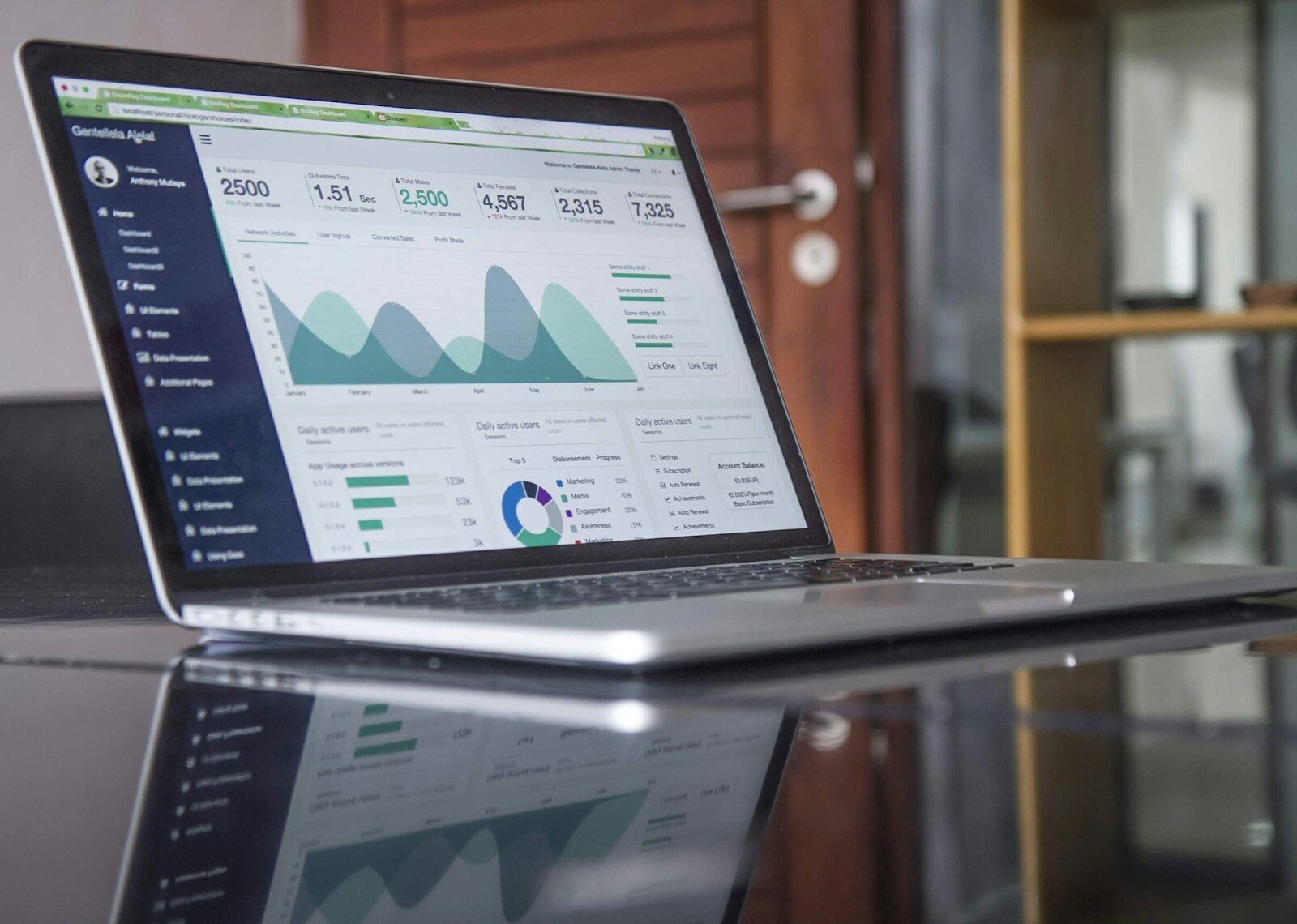
It gives you data about what’s working. Traditional marketing is largely guesswork. Digital marketing shows you exactly how many people saw your content, clicked your ad, visited your website, or called your number after finding you online. That feedback lets you improve continuously rather than spending money and hoping.
The Specific Channels That Matter Most for Small Businesses
Not every digital marketing channel carries equal weight for every small business. Here’s what I’ve seen consistently deliver results:
Google Business Profile is non-negotiable for any business that serves a local area. It’s free, it shows up prominently in local searches, and it’s where most people look first when searching for local services.
If you haven’t fully completed and optimized your Google Business listing, that’s the single highest-return marketing task you can do today.
Instagram and Facebook for businesses where visual content matters, such as food, fashion, home services, beauty, events, and any product-based business. Consistent, quality visual content builds an audience that becomes a warm sales channel over time.
WhatsApp Business for customer communication and relationship building is especially effective in markets where WhatsApp is the primary communication tool. A properly set up WhatsApp Business account with a catalog, quick replies, and active status updates keeps existing customers engaged and converts inquiries faster.
Content and SEO for businesses that can answer questions their customers are already asking. A tutoring service that writes helpful content about exam preparation, a law firm that explains common legal questions simply, and a bakery that shares recipes and baking tips.
This kind of content builds organic search traffic that sends genuinely interested potential customers directly to you.
Paid social advertising when you need faster results. Even a small weekly budget on Facebook or Instagram ads, targeted precisely and with strong creative, can generate consistent leads for a local business.
What Happens to Small Businesses That Ignore Digital Marketing
I’ve watched this play out too, and it’s not dramatic; it’s just a slow and steady decline.
Competitors who invest in digital presence capture market share gradually. Customers who can’t find you online choose someone they can find. Referral-based growth hits a ceiling because the referral network is finite.
And then one slow month becomes several slow months, and the business owner wonders what changed when what changed was that their competitors got smarter about visibility while they stayed still.
The businesses that struggle aren’t always selling inferior products or services. They’re often just invisible to people who would have been perfect customers.
Final Thoughts
Digital marketing for small businesses isn’t about chasing trends or being everywhere online at once. It’s about making sure the people who need what you sell can actually find you and feel confident enough in what they see to reach out.
The bakery owner I mentioned at the start? She now has a waiting list for custom orders. She always had the same talent. The only thing that changed was visibility.
That’s what digital marketing actually does.